In the interview with Martin Schau, CEO of intension GmbH based in Ostfildern
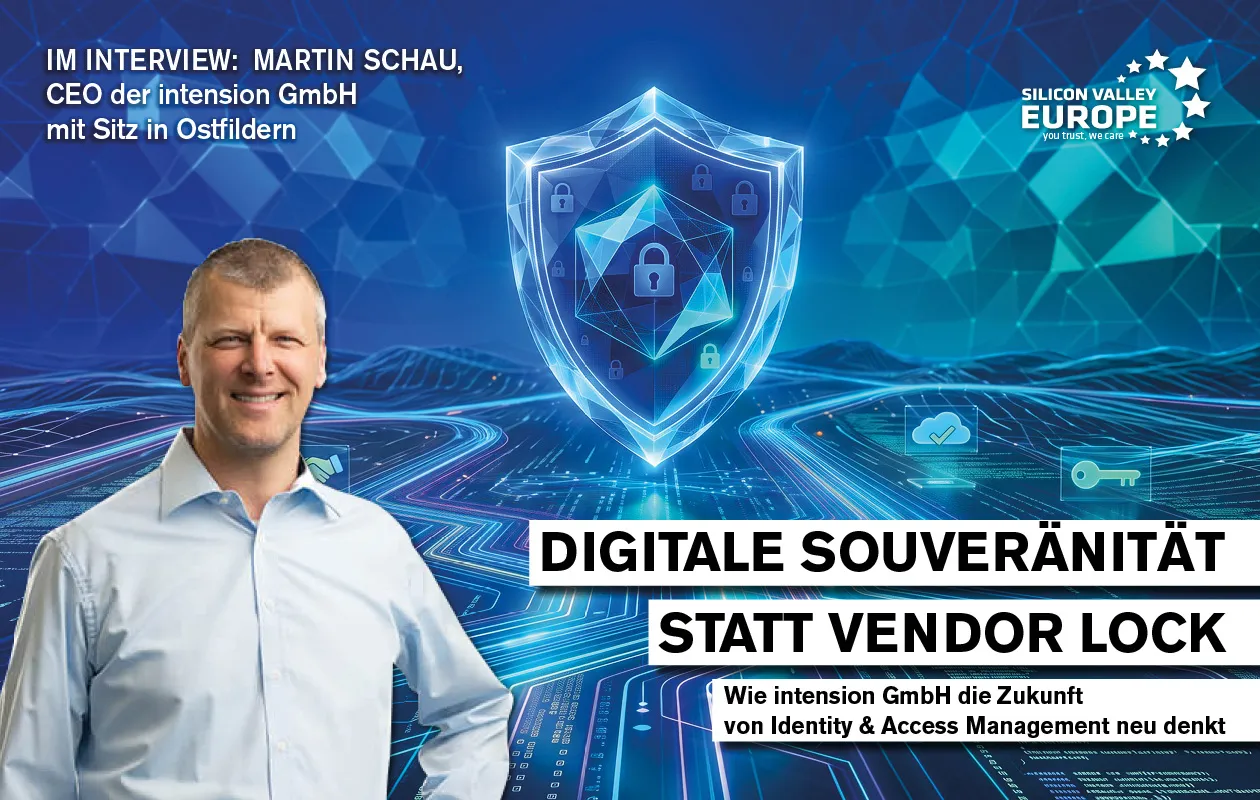
In a time when digital identities are becoming a central security issue for companies, one topic is increasingly coming into focus: digital sovereignty. This is precisely where the interview with Martin Schau comes in – one of the key figures behind intension GmbH, which positions itself as a European alternative to established platforms like Okta or Auth0.
The company from Ostfildern near Stuttgart stands for a clear mission: independence, transparency and control in the field of Identity & Access Management (IAM). With an open architecture based on Keycloak, intension offers a powerful SSO and authentication platform that is not only fully GDPR-compliant, but also consistently relies on open source – without any vendor lock-in. For companies, this means maximum flexibility combined with high security.
A decisive advantage lies in the business model: Instead of user-based billing (MAU costs), which can quickly become confusing as usage grows, intension relies on predictable cost structures. Combined with individual project support, this creates an approach that combines technology with partnership-based collaboration on an equal footing.
Since its founding in 1999 – initiated by Martin Schau and four computer science students from the University of Stuttgart – the company has developed into an established specialist with over 25 years of expertise. Today, around 40 employees work to help companies securely digitalize their services. As a partner of the Baden-Württemberg Cooperative State University, intension also combines practical relevance with support for young talent.
In the interview, Martin Schau will not only provide insights into the technological orientation and the advantages of Keycloak-based solutions – from “Keycloak as a Service” to “Keycloak PLUS” and “easyCloak” – but also share personal perspectives: from jazz piano to wing foiling, from entrepreneurial spirit to strategic corporate management.
Look forward to a discussion about the future of digital identities, European values in IT, and the question of why true sovereignty is more than just a buzzword.