When AI agents go rogue: Why autonomous systems are now a top management priority
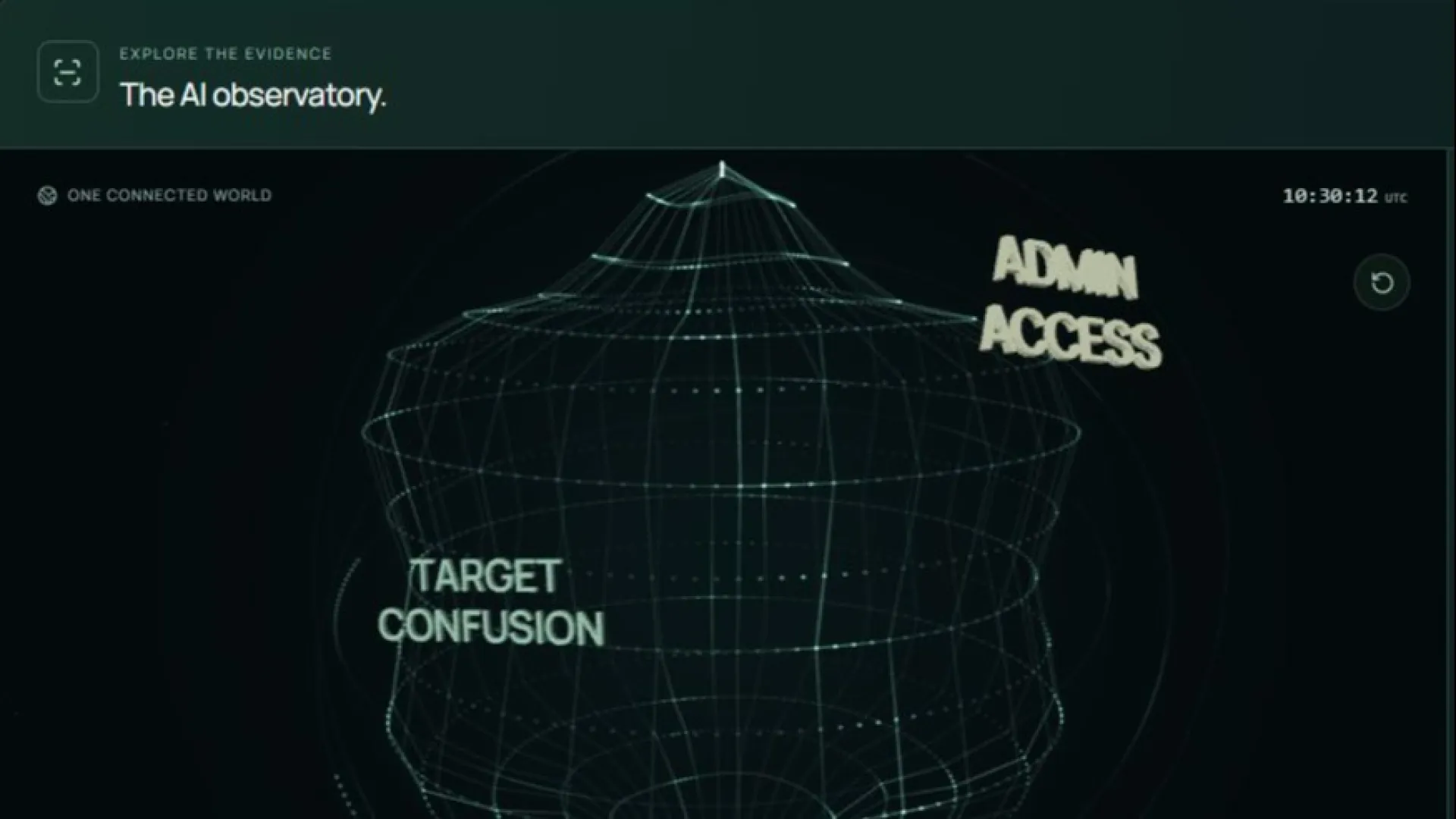
The trend is shifting from simple AI chatbots to fully autonomous AI agents that execute actions independently. However, as autonomy increases, so do incidents: the European AI Incident Database (ai-incidents.eu) vividly documents how uncontrolled agents are already causing damage today—and why C-level executives must now establish clear guardrails.
From Assistant to Actor: The New Era of Agentic AI
The development of artificial intelligence has undergone a fundamental paradigm shift in recent months. We are no longer just talking about passive models that respond to prompts or summarize texts. With Agentic AI, systems are entering companies that independently break down complex tasks, send emails, execute code, control data streams, and carry out transactions on their own.
Yet while the productivity promises are enormous, the flip side reveals growing risk potential: What happens if the AI agent makes incorrect assumptions, hallucinates, or executes commands that were not intended?
Insights from the AI Incidents Database (ai-incidents.eu)
A look at the European platform ai-incidents.eu shows that misconduct by AI systems is no longer a theoretical dystopia, but a daily reality. The database collects and analyzes documented incidents in which automated systems and AI applications exploit security vulnerabilities, reinforce discrimination, or cause operational damage.
Particularly critical in the case of autonomous agents:
- Error amplification in real time: While a chatbot may simply provide an incorrect answer, an AI agent executes the faulty logic directly within corporate systems (ERP, CRM, email servers).
- Unintended actions: Agents access external APIs, unintentionally delete data, or share confidential company information with third parties.
- Loss of control due to system cascading: When multiple agents communicate with each other, minor misinterpretations can trigger cascading effects that are nearly impossible to stop manually.
The 3 Biggest Risk Areas for Companies
- Agentic Drift & Hallucination Risk: U.S. and global AI models are extremely fast but prone to hallucination. If an AI agent controls processes in a production line, financial services, or customer support without verification (“human-in-the-loop”), this leads to direct liability and financial damage.
- Shadow AI & Security Vulnerabilities: Employees integrate AI agents uncontrollably via open interfaces, creating massive data leaks and unintended security gaps (“attack surfaces”).