In the interview with Aday Onar, Managing Director of THiiiNK GmbH
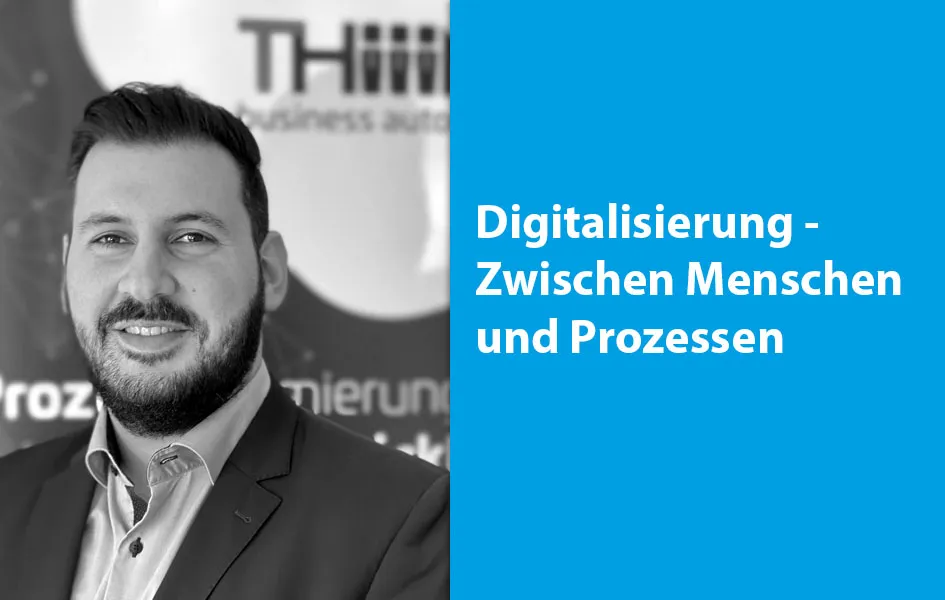
THiiiNK GmbH, based in Ulm, is setting the course for the digital future of companies. With the analysis, optimization and technical implementation of efficient and successful processes, THiiiNK GmbH supports companies holistically in the digitalization of their business processes. The advantages are time- and cost-saving processes as well as maximum efficiency and productivity. In recent years, well-known, globally recognized companies and corporations, both national and international, have also been convinced of this. THiiiNK's core competencies include classic individual development of software, apps and web applications. In addition, THiiiNK offers solutions that support digital transformation and promote the expansion of digital corporate structures and services. In an interview with Aday Onar, Managing Director of THiiiNK GmbH, we will talk today about the key topics of digitalization and process optimization in medium-sized companies.
DIGITAL FUTUREmag: There are many studies that suggest that German companies are lagging behind in digitalization. What is your personal assessment of this?
Aday Onar: Compared to other countries, digitalization in Germany is indeed still significantly behind. Many companies are aware of this. In contrast to "larger" medium-sized companies, smaller businesses in particular rate themselves rather negatively when it comes to digitalization. However, regardless of industry and size, many companies do not have a central digitalization strategy and should/must digitalize their business models more consistently.
DIGITAL FUTUREmag: Everyone is talking about digitalization and everyone is talking about process optimization. It is the great hype of our time. How does THiiiNK GmbH differentiate itself with its portfolio from many other companies that are also active in process optimization?
Aday Onar: THiiiNK GmbH has built its service portfolio entirely around process optimization, so that all activities serve the same goal – more productive and efficient processes, whether they take place internally, externally or with customer contact. At THiiiNK, processes in companies are not only optimized theoretically or on paper and recommendations for action are given, but after a profitability plan, they are also implemented. Our agile development process, which is based on scientific methods and practical experience, guides our customers step by step and with full cost control through digitalization. We convince our customers with solutions that not only sound good, but also work.
DIGITAL FUTUREmag: When companies deal with the topic of digitalization, process optimization is at the top of the agenda. In your opinion, what are the most important elements that need to be considered in process optimization?
Aday Onar: The greatest asset of a company is its employees, who give the company its identity. Therefore, they are one of the most important factors in process optimization. Close exchange and analysis of employees' work methods and processes are key to success here. This allows us to gain a comprehensive view of the company's processes and workflows and understand them sufficiently to enable successful process optimization.
DIGITAL FUTUREmag: What obstacles do you most frequently encounter when discussing projects with decision-makers?
Aday Onar: One of the biggest obstacles is the fear of change. Management often approaches the topic skeptically and fears revenue losses or frustrated and thus unproductive employees. We counter these obstacles—or rather, these fears—with our approach, the "THiiiNK Process," and eliminate them. Employees only resist change when they are not involved in decision-making processes or are not informed about the benefits of change. For us, it is clear that employees are one of the essential components of digitalization and process optimization, as they deal with business processes and workflows on a daily basis. We involve all stakeholders, clearly demonstrate the benefits of digitalization in everyday work, and raise awareness before any initial steps are taken.
DIGITAL FUTUREmag: The word agility is often used here. How agile is THiiiNK GmbH?
Aday Onar: Agility is a very important aspect of the company. We work in flat structures and can thus respond quickly to changes or adjustments. Our development process is strongly geared toward agility. This is also necessary because digital business processes are flexible and therefore require fast, agile handling.
DIGITAL FUTUREmag: Software development is conducted differently today than many years ago. What makes your developers stand out in the implementation of customer projects?
Aday Onar: Developing high-quality software is a complex process. Through our agile development process, we simplify this complexity and break it down into manageable cycles. Our customers benefit from transparent and flexible development, and in each cycle, we can individually respond to customer wishes and requirements to implement a software system or digital processes according to their vision. In a sense, software development is like shooting at moving targets – requirements and expectations are constantly changing. THiiiNK brings experience, a sure touch, and a proven approach to customer projects. What sets us apart is that at every stage of development, the focus is on the people who work with or come into contact with the system. We continuously check and analyze whether employees can perform their tasks faster and more efficiently, whether customers have a meaningful and relevant experience when using the system, and much more.
DIGITAL FUTUREmag: When it comes to software, many people talk about the term usability engineering. Can you explain this in more detail?
Aday Onar: Usability engineering is a scientifically based approach that ensures the usability of a system. At every project step, we verify the system's conformity with the defined goals and needs of the end users through tests. For example, simple and efficient user interfaces demonstrably lead to increased productivity in companies and higher conversion rates in the B2C sector. In plain terms, this is the answer to customer statements like "It must be easy to use" or "My product should be understandable and efficient."By involving the future users of the system in this process, the likelihood of success increases many times over. Additionally, user productivity automatically increases because relevant and tailored functions are offered, which also leads to greater satisfaction and provides a competitive advantage.
DIGITAL FUTUREmag: Thank you for this exciting conversation. I wish you many good contacts and discussions at the next DIGITAL FUTUREcongress.